
Is Your Site Ready for ASSP's Safety Training Standard?
ANSI/ASSP A10.2-2025 is here — and construction and demolition sites need to act now. Learn what's changed and how to stay ahead.
Ensure Compliance,
Strengthen Site Safety
Construction and demolition sites are among the most hazardous work environments — and regulators know it. With ANSI/ASSP A10.2-2025 now in effect, the bar for safety training has been raised. Organizations must do more than just run workers through an orientation: training must be delivered before work begins, comprehension must be verified, records must be auditable, and site-specific hazards must be clearly communicated to everyone on-site.
The good news? Meeting this standard doesn't have to be complicated. The right systems can digitize your compliance process, close documentation gaps, and give you real-time confidence that everyone entering your site is qualified and prepared.
What You Need To Know
A10.2-2025 isn't just a policy update — it's a shift toward proactive, documented, and verifiable safety culture. Here's what the standard requires of your organization:
-
Train before day one: All contractors must complete safety training prior to beginning work on-site, not after arrival.
-
Verify comprehension, not just completion: Training materials must be understood and formally acknowledged, not just distributed.
-
Keep documentation audit-ready: Safety records must be accessible, organized, and easy to verify at any time.
-
Communicate hazards specific to your site: Generic safety content isn't enough; workers need to know the risks unique to each job site.
Together, these requirements create a culture of accountability where safety can now be confirmed.

Compliance Starts With the Right Foundation
Meeting A10.2-2025 is more achievable than it sounds, but it does require the right systems in place. When training is tracked automatically, documentation is centralized, and site access is tied to verified compliance, the standard becomes less of a burden and more of a baseline your whole team can rely on.
How FacilityOS Helps You Stay Compliant with ASSP
FacilityOS brings together two purpose-built modules that address the core requirements of A10.2-2025, so compliance is built into your workflow.
Visitor Management
![]()
Ensure Document Compliance
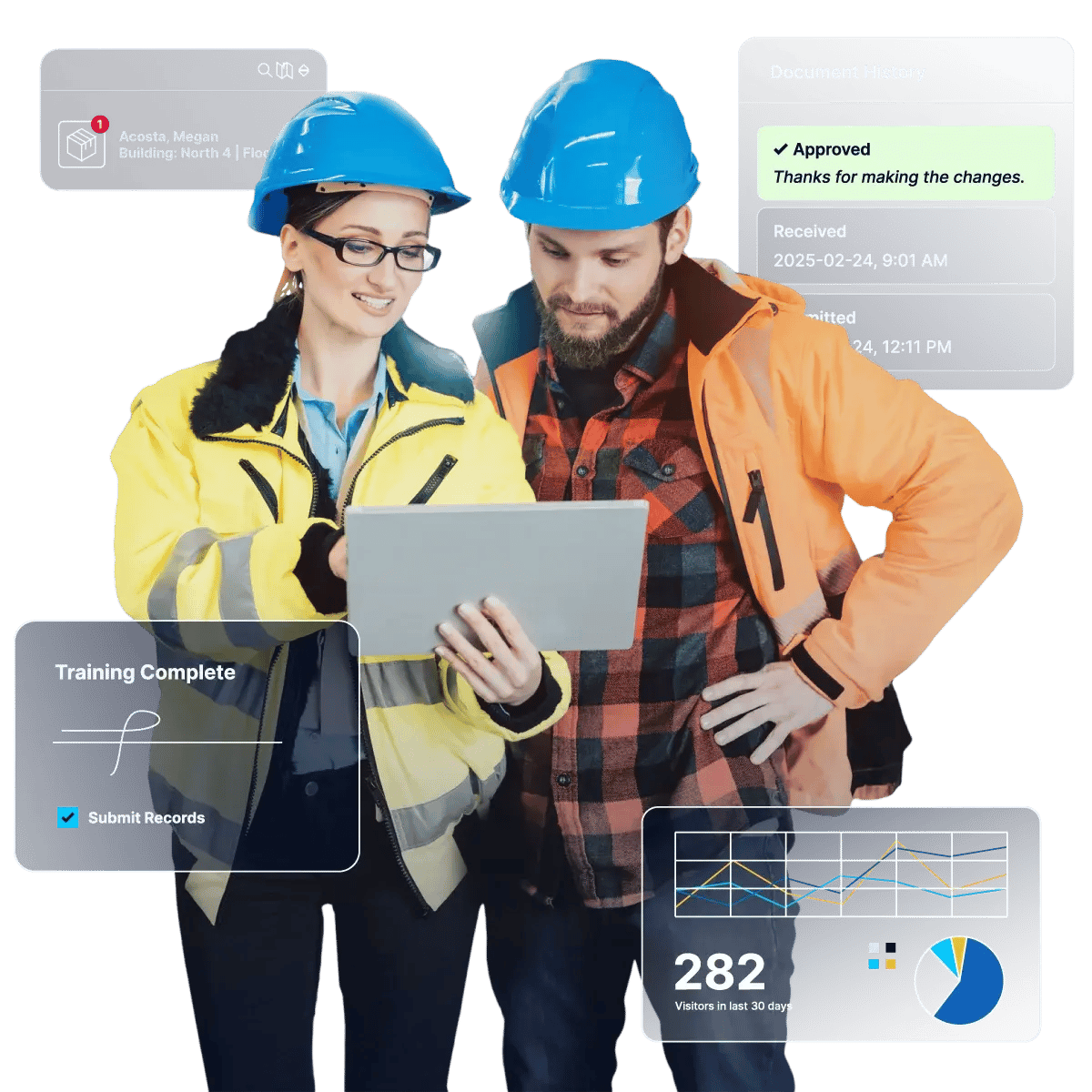
Customize the sign-in experience to require safety inductions, quizzes, or acknowledgements so no contractor sets foot on-site without completing what A10.2-2025 requires.
Track Acknowledgments Automatically
Every signed form and completed training is automatically logged and stored, giving you a clean, auditable trail whenever you need to demonstrate compliance.
Ensure Only Trained Individuals Gain Entry
Gate site access based on training status so the standard's requirement to train before work begins is enforced automatically, not left to chance.
.webp)

Contractor Compliance Management
![]()
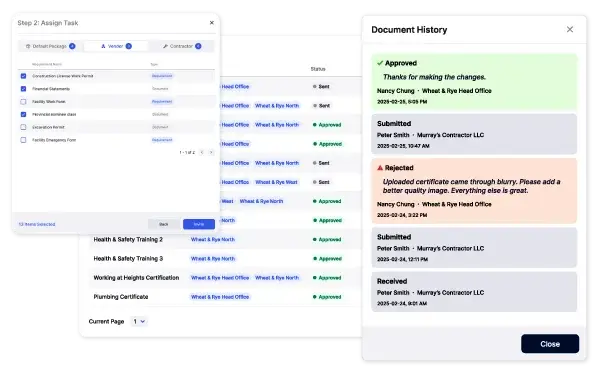
Centralize Contractor Documentation
Keep certifications, site-specific safety materials, and training records organized in one place, making documentation accessible and easy to verify exactly as the standard requires.
Monitor Compliance In Real-Time
See at a glance who's compliant, who's missing documentation, and who needs to be restricted from site access before it becomes a problem
Frequently Asked Questions
What is ANSI/ASSP A10.2-2025 and who does it apply to?
ANSI/ASSP A10.2-2025, "Safety, Health and Environmental Training for Construction and Demolition Operations," is a new national voluntary consensus standard published by the American Society of Safety Professionals (ASSP). It establishes best training practices to help organizations eliminate hazards and risks that cause injuries, illnesses, and fatalities on construction and demolition sites — some of the most hazardous work environments (Source: ISHN). It applies to contractors, site managers, and any organization responsible for personnel working on these sites.
What types of training does the standard cover?
The standard outlines training requirements for new hires, site procedures, regulatory compliance, pre-job briefings, supervisor leadership, and retraining. It also highlights the importance of training evaluations, documentation, and record-keeping as essential components of workplace safety programs. Occupational Health & Safety Critically, as noted in the brochure, the standard emphasizes that training must happen before work begins, that materials must be understood and acknowledged, and that site-specific hazards must be clearly communicated to all personnel.
Is ASSP A10.2-2025 legally mandatory, and why should my organization comply?
The standard is a voluntary consensus standard, meaning it is not a federal regulation. However, voluntary consensus standards like A10.2-2025 play a key role in addressing gaps left by federal regulations, which can be slow to adapt — and companies leverage these standards to enhance safety protocols, prevent injuries, and promote sustainability. (Source: Occupational Health & Safety).
Beyond safety outcomes, prioritizing worker safety helps organizations avoid the economic and reputational consequences of workplace incidents, including medical expenses, equipment repairs, liability claims, lost productivity, and environmental damage.
Not Sure Where Your Site Stands?
Every organization's compliance journey looks a little different. Our team can walk you through exactly how FacilityOS maps to A10.2-2025 requirements and where you might have gaps today.
Book a Demo