Is Your Facility Managing Visitor Access in Line With ITAR Requirements?
ITAR places strict obligations on organizations that handle defense-related materials. Learn what the regulations require and how VisitorOS helps you stay compliant and audit-ready.
ITAR (International Traffic in Arms Regulations) governs the export and handling of defense-related articles and services, and one of its most operationally demanding requirements is controlling who can physically access your facility. Organizations must verify visitor identity, screen against restricted party lists, limit access to controlled areas, require legal acknowledgements, and maintain detailed records of every visit.
Managing all of this manually creates gaps, and those gaps carry serious consequences. VisitorOS provides the tools to automate and enforce ITAR-compliant visitor management across your entire facility, from the moment a visit is requested to the moment a visitor walks out the door.
What You Need To Know
ITAR applies to any organization that manufactures, exports, or handles items on the United States Munitions List. When it comes to visitor management, here is what the regulations expect:
-
Access must be restricted to authorized individuals: Only eligible visitors, including U.S. persons as defined under ITAR regulations, should be permitted to access areas containing defense-related articles or technical data.
-
Visitor identity must be verified: Organizations are expected to confirm the identity and citizenship status of visitors before granting access to controlled areas.
-
Documentation and records are required:All visitor activity must be logged and retained, with records available to demonstrate compliance during audits or inspections.
-
Screening against restricted party lists is essential: Visitors should be screened against denied and restricted party watchlists before being granted facility access.
When these controls are embedded into your visitor management workflow, ITAR compliance becomes a consistent, repeatable process rather than a manual effort prone to gaps.

The Right Tools & Processes Makes It Manageable
ITAR compliance requires layers of control that are difficult to maintain consistently through manual processes. When visitor screening, approval workflows, document collection, and record-keeping all happen automatically within a single system, your team can focus on running a secure facility rather than managing compliance paperwork.
How VisitorOS Helps You Stay ITAR Compliant
VisitorOS brings together the tools organizations need to meet ITAR visitor management requirements, with purpose-built features that work together across every stage of the visitor journey.
Visitor Approval and Pre-Screening
Screen and approve visitors before they ever set foot on-site. With the Visitor Approval add-on, organizations can configure customized approval workflows that route visitor requests through the appropriate security and compliance checkpoints.
Hosts submit visitor requests in advance, designated approvers review citizenship status, authorization level, and purpose of visit, and visitors only receive access credentials once formally approved.
Every approval and denial is time-stamped and logged, creating a clean audit trail that demonstrates your compliance controls were applied before access was granted.
Watchlist Screening
Automatically screen visitors against denied and restricted third-party watchlists during both pre-registration and sign-in, including the Consolidated Screening List (Trade.gov), Descartes Visual Compliance, FinScan, and E2Open, so high-risk individuals are identified before they enter your facility.
ID Scanning
Scan government-issued IDs or passports to verify visitor identity at check-in. Printed badges clearly indicate visitor name, photo, and citizenship status, giving your team an immediate visual reference throughout each visit.
Control Access
Limit visitor access to specific areas based on their authorization level, ensuring that only approved individuals can enter ITAR-controlled zones and that no one accesses areas beyond what their visit requires.
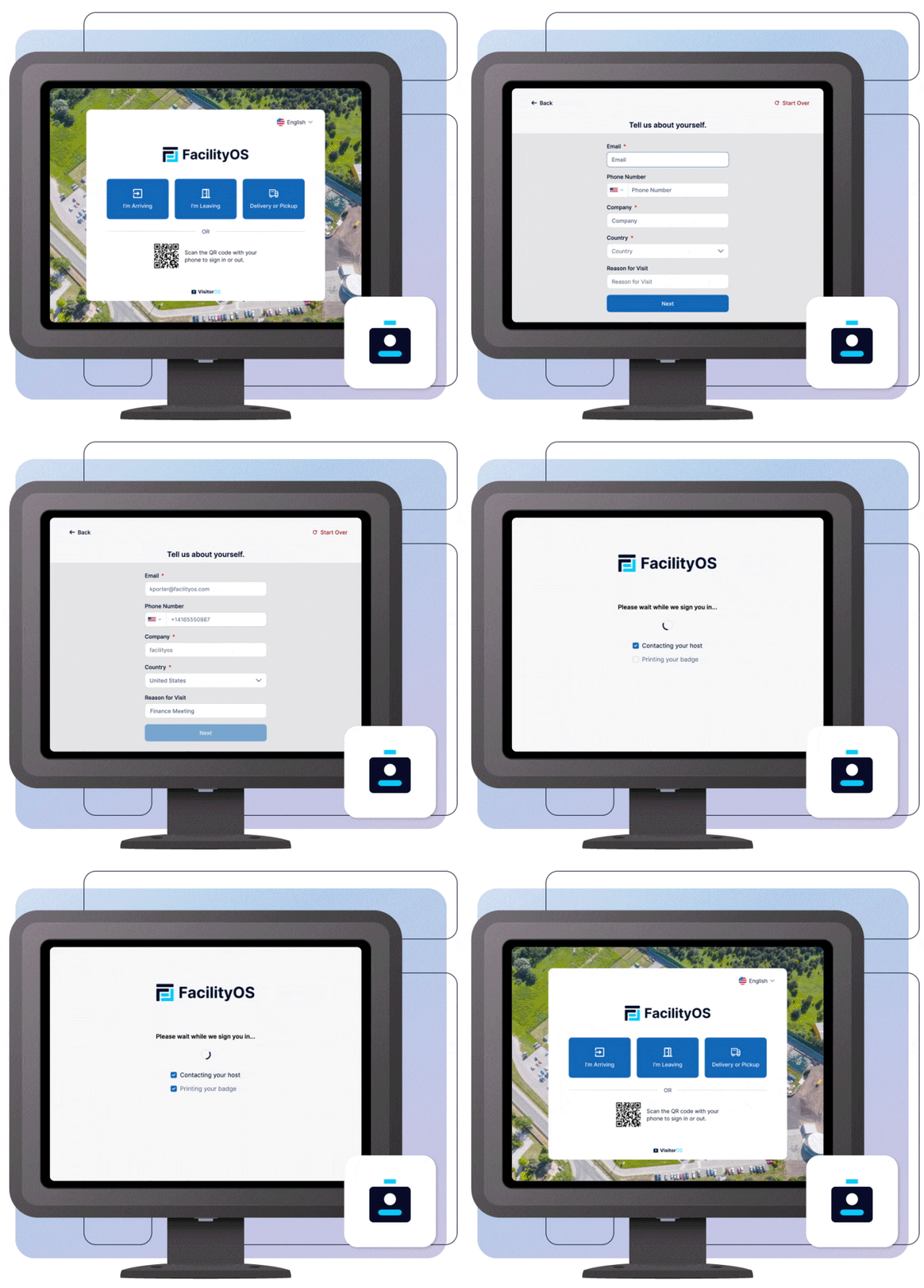
Legal Document Management
Require visitors to review and sign NDAs or other required legal forms before gaining access. All signed documents are stored securely and tied to the individual visitor record, keeping your documentation organized and retrievable.
Digital Audit Trail
Maintain comprehensive digital records of all visitor activity including entry and exit times, purpose of visit, areas accessed, approvals granted, and documents signed, giving you an audit-ready log at all times.
Real-Time Notifications
Stay informed with real-time alerts about visitor activity so your team can respond immediately to any unauthorized access attempts or approval exceptions.
Physical Security System Integrations
Integrate with your existing access control infrastructure so that approved visitors automatically receive the right credentials and unapproved individuals cannot proceed past reception, regardless of who they claim to be visiting.
Data Protection
FacilityOS maintains rigorous data security standards, undergoes regular audits, and stays current with industry best practices to ensure sensitive visitor information is protected at every stage.
 When Did You Last Evaluate Your Visitor Management Process?
Use structured exercises to evaluate risks, policies, and workflow gaps.
Frequently Asked Questions
What does ITAR require when it comes to visitor management?
ITAR requires organizations handling defense-related articles and technical data to ensure that only authorized individuals gain access to controlled areas. In practice, this means verifying the identity and citizenship status of every visitor, screening against restricted party lists, limiting access to areas based on authorization level, collecting required legal acknowledgements, and maintaining detailed records of all visitor activity. A basic sign-in sheet does not meet these requirements; organizations need documented, proactive approval processes that happen before a visitor arrives.
What is the Visitor Approval add-on and how does it support ITAR compliance?
Visitor Approval is an add-on for VisitorOS that allows organizations to build customized pre-screening and approval workflows for incoming visitors. When a visit is requested, the system routes it to the appropriate approvers, who review the visitor's information including citizenship and purpose of visit, before any access credentials are issued. Approved visitors receive a QR code; denied visitors do not. Every step is time-stamped and recorded, creating the kind of documented, pre-arrival approval trail that ITAR compliance requires. It is designed for any organization with strict access control obligations, not just aerospace and defense.
What are the consequences of an ITAR violation related to visitor access?
ITAR violations are taken seriously by the U.S. Department of State's Directorate of Defense Trade Controls. Penalties can include fines exceeding $1 million per incident as well as suspension of export privileges, which for many organizations means an immediate halt to core operations. Beyond the financial consequences, violations can result in criminal prosecution and lasting reputational damage. Implementing automated visitor approval and screening processes is one of the most practical ways to reduce this risk and demonstrate that your organization has taken reasonable, documented steps to prevent unauthorized access.
Stay Compliant. Stay Secure.
VisitorOS gives your organization the tools to manage ITAR visitor requirements with confidence, from pre-arrival screening to post-visit records. Connect with our team to see how it works for your facility.
Book a Demo