FacilityOS > LogisticsOS > Maintenance Scheduling Software

Maintenance Scheduling Software

Keep Assets Operational. Prevent Downtime Before It Happens

Assets don’t fail on schedule — but maintenance should.

Without structured maintenance tracking, organizations rely on memory, spreadsheets, or disconnected systems to manage servicing. The result is reactive repairs, unplanned downtime, and compliance risk.

LogisticsOS Maintenance Scheduling helps you plan, track, and document preventive maintenance — ensuring assets stay operational and audit-ready.
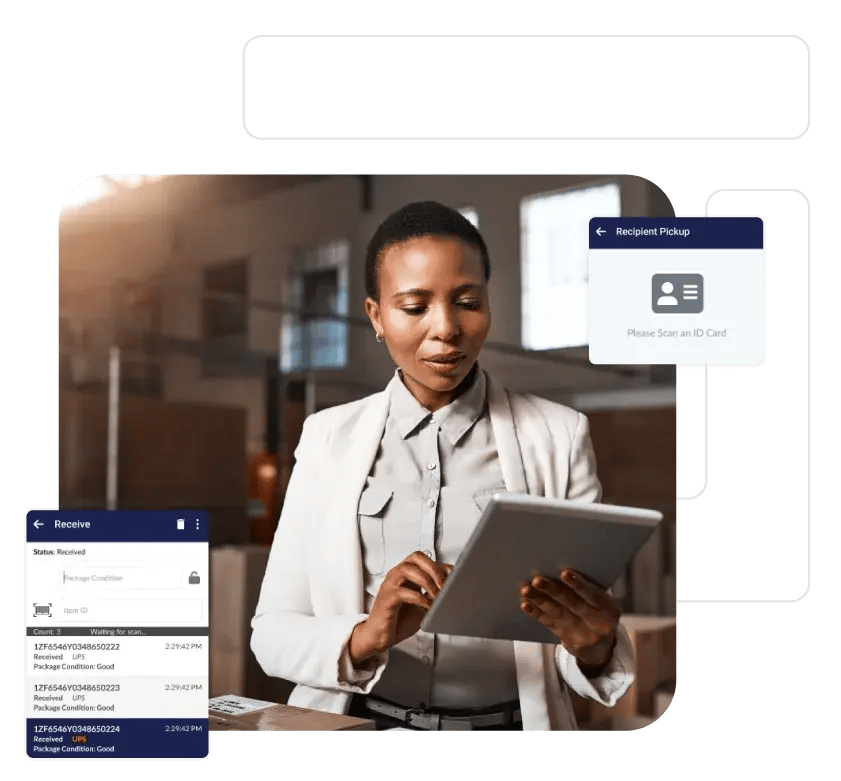

Package Tracking Software with LogitsicsOS

From Reactive Repairs to Proactive Control

Missed service dates and manual tracking lead to preventable downtime and compliance risk. LogisticsOS Maintenance Scheduling replaces reactive maintenance with structured, asset-level scheduling — ensuring every service is planned, documented, and tied to a complete lifecycle record.

How Asset Auditing Works

Step 1

Assign Maintenance Intervals

Define maintenance schedules directly within the asset record. Set next service dates or recurring intervals based on manufacturer guidelines, compliance requirements, or internal standards.

checkmark-icon-line

Step 2

Monitor Upcoming & Overdue Maintenance

The system surfaces assets with approaching or overdue maintenance dates. Teams can filter, search, and report on service status to prioritize work and prevent missed deadlines.

checkmark-icon-line

Step 3

Generate Maintenance Tasks

For structured workflows, maintenance schedules can trigger tasks when service dates arrive. Teams receive visibility into assets requiring attention, allowing for proactive servicing instead of reactive repairs.

checkmark-icon-line

Step 4

Capture Service Documentation

When maintenance is completed, update the asset record with service notes, updated condition, next service date, and optional photo documentation. This creates defensible service records for audits and inspections.

checkmark-icon-line

Step 5

Maintain a Complete Maintenance History

Every maintenance event remains tied to the asset’s lifecycle. From acquisition to retirement, you retain a permanent service history — supporting compliance, warranty validation, and capital planning.

checkmark-icon-line
Asset-turns-wo-hurting-prod-hero

Designed for Asset-Intensive Environments

Maintenance Scheduling supports:

  • Healthcare equipment (e.g., IV pumps, clinical devices)

  • Facilities infrastructure (HVAC, water heaters, mechanical systems)

  • Manufacturing equipment

  • IT hardware requiring periodic servicing

  • Capital-intensive assets with regulatory oversight

Whether you manage dozens or thousands of assets, scheduled maintenance keeps operations predictable.

LOS-interoffice-Shipping-1-deliver-dashboard-sort

Reporting & Visibility

Gain instant insight into asset health:

  • Assets with upcoming maintenance

  • Overdue service reports

  • Maintenance completion history

  • Asset condition trends

  • Exportable reports (Excel, CSV, PDF)

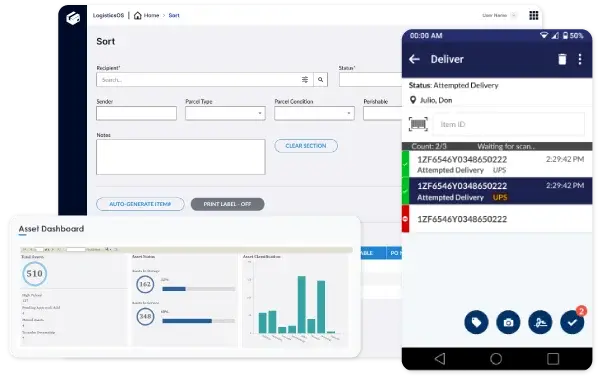
  • Dashboard views for real-time oversight

API access allows maintenance data to integrate with BI platforms and enterprise systems.

Young marketing professional speaking in courtyard with tablet in hand

Why LogisticsOS for Maintenance Scheduling?

✔ Integrated directly into asset records
✔ Preventive, recurring maintenance tracking
✔ Overdue alerts and visibility
✔ Service documentation with notes and photos
✔ Lifecycle-linked maintenance history
✔ Audit-ready reporting
✔ Cloud-hosted, integration-ready architecture

You don’t just track assets.
You protect their performance.

FacilityOS logo
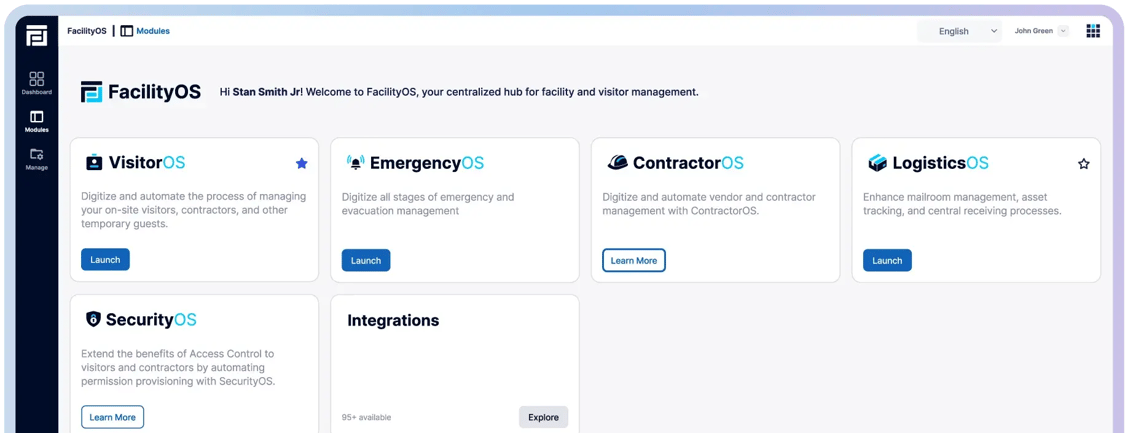
Facility, Asset & Visitor Management Modular Platform
VisitorOS
Keep track of on‑site visitors & contractors.
ContractorOS
Centralize & automate contractor compliance processes.
EmergencyOS
Digitize all stages of emergency & evacuation management.
LogisticsOS
Track packages across the entire chain of custody.
SecurityOS
Extend the benefits of access control to contractors.
 
 
FOS-Card-View-Half-moduleview