
Mailroom operations sit at the intersection of logistics, security, and workplace experience, yet they are often expected to function with limited staffing, outdated processes, and minimal visibility. As delivery volumes increase and compliance expectations rise, many facility and mailroom managers are being asked to do more with fewer resources and less margin for error.
The most persistent mailroom challenges today are not isolated issues. Staffing shortages impact accuracy. Lack of tracking creates accountability gaps. Security risks grow when processes rely on manual handoffs. Disconnected tools slow teams down. Budget constraints limit improvement efforts.
The good news is that these challenges are solvable with the right operational strategies. Below are five practical approaches facility leaders are using to stabilize mailroom operations, improve oversight, and reduce friction across daily workflows.
1. Addressing Staffing Challenges
One of the largest challenges facility and mailroom managers face this year is a lack of staffing. With 30 percent of facilities managers planning to retire in the next five years, vacancies are at an all-time high. This shift has created operational gaps as experienced staff leave with institutional knowledge, while newer employees expect technology-enabled workflows that reduce manual effort.
Understaffed mailrooms often feel the impact first at intake. Packages pile up waiting to be logged, deliveries fall behind schedule, and errors increase when teams are stretched thin. Manual processes also make it harder to cross-train staff, since knowledge lives with individuals instead of within standardized workflows.
Mailroom management software helps offset these challenges by automating repetitive tasks such as package intake, recipient identification, delivery routing, and exception handling. Automated workflows reduce dependency on individual staff members and allow smaller teams to process higher volumes consistently. Adopting technology also supports recruiting and retention by giving teams tools that align with modern workplace expectations.
2. Implementing Real-Time Mailroom Tracking
Lost packages have been one of the most persistent challenges mailrooms face. Every day across the United States, an estimated 1.7 million packages are missing or stolen. Without real-time tracking, mailroom teams lack visibility into where packages are, who last handled them, and when handoffs occurred.
This lack of insight creates more than frustration. It leads to internal disputes, time-consuming searches, and increased pressure on mailroom staff to resolve issues without reliable data. Over time, these gaps erode trust between departments and make it difficult to defend mailroom operations when problems arise.
Real-time tracking changes this dynamic by providing a clear chain of custody from intake to final delivery. Mailroom teams gain visibility into package location, handling history, and delivery status across the facility. Instead of relying on memory or manual logs, managers can reference time-stamped records that support accountability, reduce disputes, and improve service levels.

3. Enhancing Mailroom Security
Mailroom security is a daily concern for facility managers, even when it is not always visible to the broader organization. Packages often contain sensitive documents, regulated materials, or items that require specific handling procedures. When processes are informal or inconsistent, the risk of misplacement, unauthorized access, or improper handling increases.
Security issues frequently stem from gaps in documentation rather than intent. Without clear records of who handled a package, where it was stored, and how it was delivered, it becomes difficult to investigate incidents or demonstrate compliance. This is especially critical in healthcare, government, and research environments where auditability matters.
Mailroom management software supports stronger security by documenting every touchpoint in the delivery process. Handling requirements can be recorded at intake, access can be restricted based on role or location, and real-time tracking ensures visibility even in areas without Wi-Fi. These controls protect both the organization and the staff responsible for managing sensitive materials.
4. Utilizing Modern Mailroom Integrations
Many mailrooms rely on a patchwork of tools that were never designed to work together. Teams switch between shipping software, digital mail systems, spreadsheets, and physical logs to complete a single workflow. This fragmentation increases manual data entry, creates information gaps, and makes it harder for staff to stay consistent.
When systems are disconnected, errors compound quickly. A missed scan or forgotten update in one system can break visibility across the entire process. Over time, this leads to rework, delayed deliveries, and frustration for both mailroom staff and internal customers.
Integrations help resolve these issues by connecting mailroom workflows into a central platform. Whether integrating with shipping systems, digital mail services, or smart lockers, a unified workflow reduces duplicate work and simplifies training. Staff spend less time navigating systems and more time executing tasks accurately and efficiently.

5. Improving Cost Management in Your Mailroom
Cost management is one of the most challenging responsibilities for mailroom managers, particularly in environments where budgets are tight and funding decisions require justification. Without clear data, it is difficult to identify inefficiencies or demonstrate the impact of operational changes.
Effective cost management starts with visibility. Understanding where labor time is spent, which carriers miss SLAs, and where rework occurs allows managers to pinpoint cost drivers. Without this insight, improvement efforts rely on assumptions rather than evidence.
With the right tools, mailroom teams can track metrics such as task completion times, delivery delays, and volume trends. These insights support data-backed conversations with leadership, whether the goal is reallocating resources, improving carrier performance, or justifying investment in new processes or technology.
Mailroom Management Made Simple
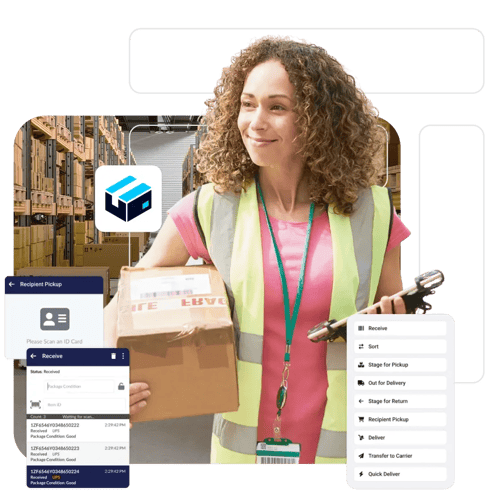
Your mailroom and your team deserve the best. Our job is to automate your most frustrating mailroom workflows, streamlining your entire operation with one simple solution. Enter LogisticsOS, the mailroom management software you’ve been looking for. With detailed and industry-specific package-tracking workflows, we modernize your mailroom at every step.

Stay updated with industry insights, success stories, and more. Follow us on social media for the latest FacilityOS content.
 Follow us on Facebook
  Follow us on X
 Follow us on LinkedIn