




FacilityOS is an AI-powered facility management platform built for organizations that operate beyond a traditional office — where safety, security, compliance and efficiency are mission-critical.
Trusted by 7,000+ facilities in 70+ countries, FacilityOS automates key processes, simplifies regulatory compliance, enhances security measures, and optimizes facility operations.

Veriforce is a supply chain risk management (SCRM) and contractor-qualification network with deep roots in safety and operator qualification — widely used in oil & gas, pipeline, energy, utilities, and construction. It connects hiring clients with a large network of prequalified contractors and adds safety training, predictive risk analytics, and operator qualification (OQ) programs. Contractor compliance lives in the network; on-site enforcement is not part of the model.
FacilityOS vs Veriforce
Feedback below taken from 3rd party research published by:



8
/month
FacilityOS
 8
/month
8
/month
Veriforce
At a Glance
Best Fit For
Operations, facility, and security teams that need contractor compliance enforced at the site level — connected to entry, mustering, and access
Safety and procurement teams in high-hazard, heavily regulated sectors (especially energy and pipeline) that need contractor prequalification, operator qualification, and safety training at scale
Compliance Model
Site-led compliance: requirements verified and enforced at the point of entry, with real-time gate/lobby integration
Network-led compliance: documentation, qualifications, and training collected and monitored centrally in a shared contractor database
Platform Scope
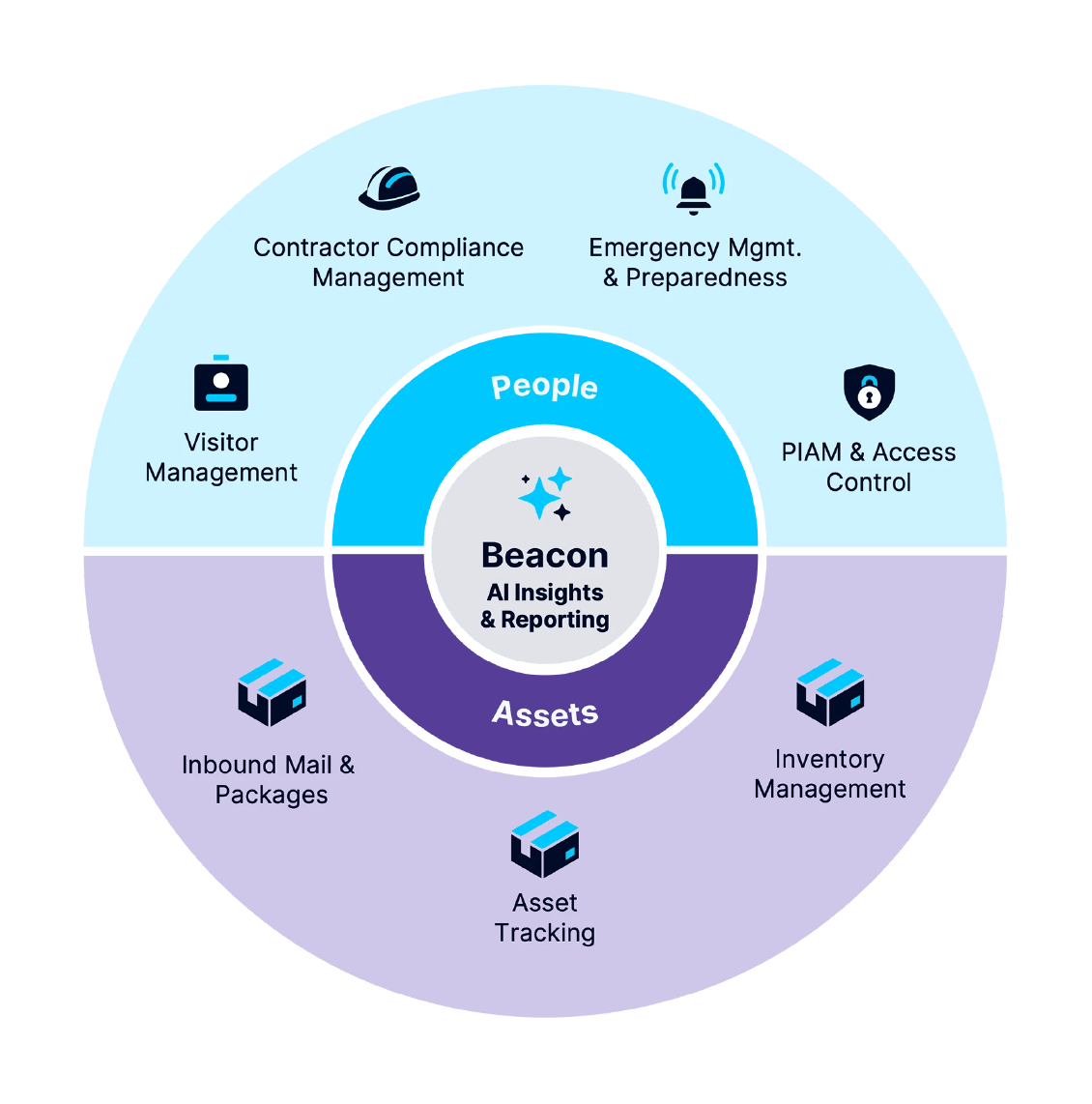
Facility operations platform — contractor compliance, visitor management, emergency mustering, logistics, and physical access in one system
Contractor risk suite — prequalification, operator qualification (OQ), safety training/LMS, predictive safety analytics, and supplier risk monitoring
Deployment Style
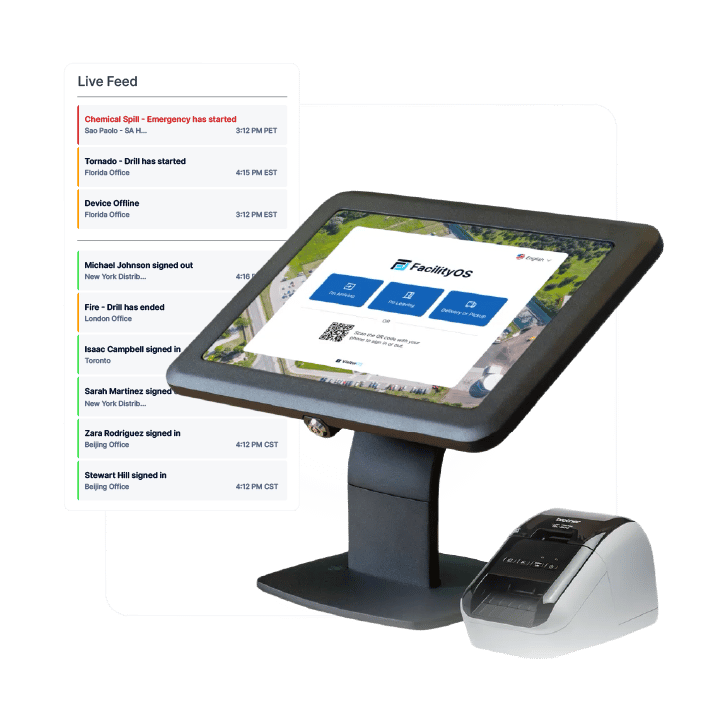
Turnkey, pre-configured software with MDM-enrolled kiosk hardware included — all hardware and software support included
Software and services; on-site enforcement hardware (kiosks, badging, gate check-in) is not offered and requires separate sourcing or third-party tools
Cost Model
Client-funded platform — you control the system; contractors aren't gated behind a paywall to participate
Network model in which contractors and suppliers typically pay recurring fees to join and maintain qualification across each hiring client
Buying Priorities
Buyers who need fast onboarding, enforcement at the door, and a single system from pre-qualification to on-site accountability
Buyers who need operator qualification, regulated-industry safety depth, and a large pre-vetted contractor network
Implementation & Partnership
Time to go live
1 Month
Varies with network and qualification onboarding
Ease of Admin
9.4
Limited public review data
Quality of Support
9.5
Limited public review data
Good Partner in Doing Business
9.7
Limited public review data
On-Site Hardware
Included & fully managed
Not offered
Product Capabilities
Compliance Enforced at Entry
Yes — native via VisitorOS
No — compliance verified in the network database
Integrated Emergency Mustering
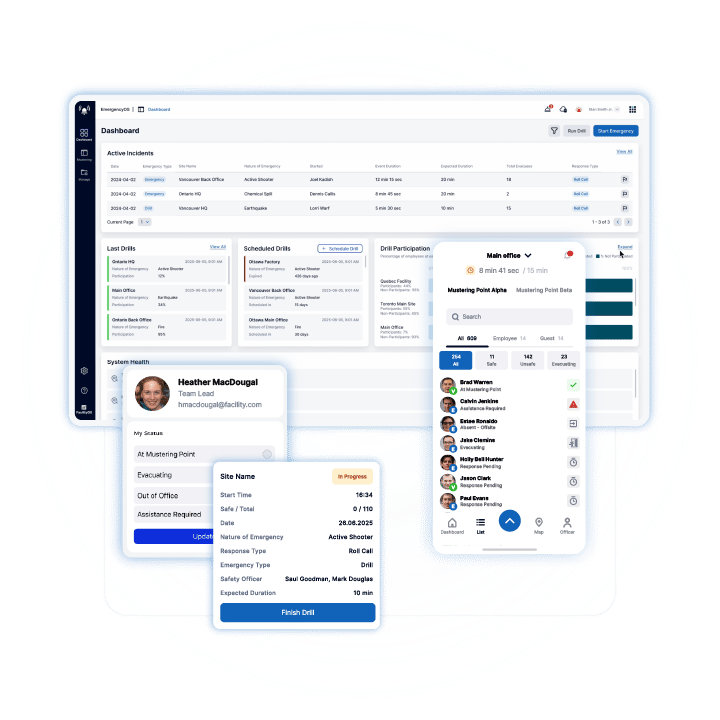
Yes — native via EmergencyOS
No
Operator Qualification (OQ)
No
Yes
Contractor Safety Training / LMS
Focused on document compliance and access
Yes — multilingual safety training library
Multi-Module Facility Platform
Yes — visitor, contractor, emergency, logistics, access
No — contractor risk and qualification focus
Compliance That's Enforced, Not Just Verified in a Database
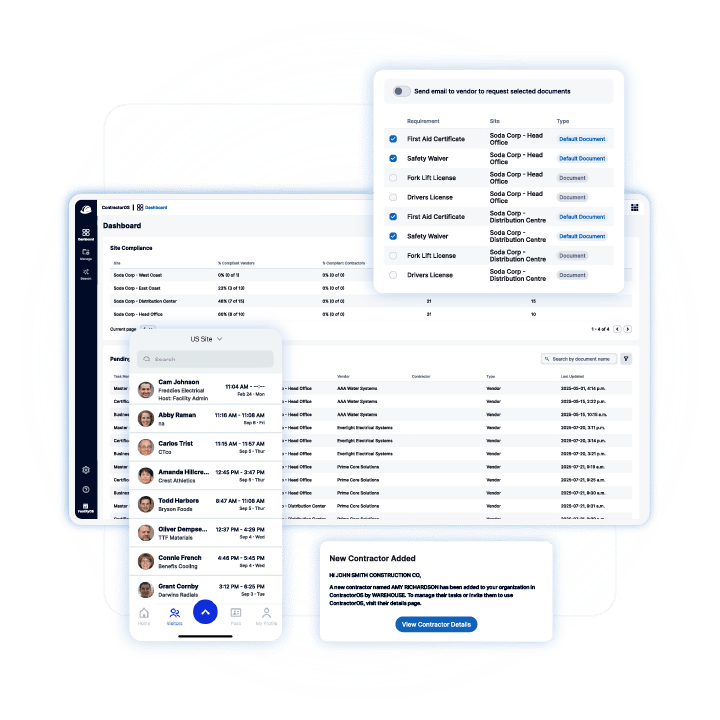
Veriforce is strong at the qualification layer — collecting COIs, training records, and operator qualifications and monitoring them centrally across a large contractor network. But a qualified record in a network database doesn't stop a non-compliant contractor from walking onto your floor. With FacilityOS, ContractorOS connects directly to VisitorOS: when a contractor's insurance has lapsed or a required certification has expired, they're flagged or denied at check-in — not discovered later in a portal review. That's the difference between a qualification network and a control system.
Turnkey Hardware Management
FacilityOS ships fully managed, MDM-enrolled, pre-configured kiosks (iPad, stand, printer, badges) with a lifetime warranty, so on-site enforcement works out of the box. Veriforce is delivered as software and services — it has no on-site enforcement hardware. Any gate or lobby enforcement requires your team to source, configure, and maintain separate hardware or bolt on a third-party visitor system.
Integrated Emergency & Evacuation Accountability
Knowing which contractors are qualified is half the job. Knowing which contractors are on-site right now — and accounting for them during an evacuation — is the other half. FacilityOS feeds contractor check-in data directly into EmergencyOS for digital roll calls, two-way communication, building sweeps, and automated drill reporting. In Veriforce, contractor records and real-time site presence live in entirely different worlds; there is no integrated mustering or on-site headcount.

Built for Facility & Security Compliance, Not Just Supply-Chain Risk
Veriforce is purpose-built for contractor safety and operator qualification, with genuine depth in energy and pipeline regulation — and for that buyer it's a credible choice. FacilityOS is built for the broader compliance reality of regulated facilities across every sector: ITAR visitor controls, GMP and FDA documentation, FSMA and SQF requirements, CTPAT security programs, and physical access management. If your obligations span safety, security, and regulatory access control at the site — not just contractor safety qualification — a contractor-risk network covers only one slice.

Fast Time to Value
Customers report going live with FacilityOS in 1 month — no waiting to push your entire contractor base through network qualification before compliance is running and enforced on-site.
.png?width=130&height=151&name=users-love-us%20(1).png)
A Complete Solution
ContractorOS ships with everything needed to enforce compliance on-site — software, kiosk hardware, and preconfigured licenses.

One System,
Gate to Audit
Pre-qualification, document approval, site entry, emergency accountability, and audit trail.

Operations-First Design
Built for site managers and security teams, not just safety administrators — with site-led compliance that lets each facility manage its own requirements.

You Close the Gap Between "Compliant on Paper" and "Compliant on Site"
The most common failure mode in contractor compliance isn't missing documents — it's the disconnect between the qualification record and the front gate. Veriforce tells your safety team which contractors are qualified. FacilityOS makes that determination at the moment of entry, automatically. That's the difference between a qualification network and a control system.

You Deploy in Weeks
Veriforce value depends on network enrollment and qualification — getting your contractors into the platform and through prequalification and OQ, a process whose timeline and support experience vary widely in user reviews. FacilityOS customers report going live in one month, and you can start with ContractorOS alone and expand later.

Your Contractors Become Visible During Emergencies.
For any facility where emergency preparedness is audited — or where knowing who is on-site during an incident is a regulatory requirement — integrated mustering is the difference between having a plan and having a system. FacilityOS contractor check-ins flow into digital roll call automatically. With Veriforce, that visibility requires a separate visitor or mustering solution and an integration project.

Hardware Is Managed, Not Delegated
Enforcing compliance at the door requires something physically at the door. FacilityOS ships pre-configured, MDM-enrolled kiosks with a lifetime warranty. With Veriforce, there is no enforcement hardware in the model at all — hardware sourcing, configuration, and maintenance fall entirely to your team, or compliance enforcement stays a manual process at the gate.