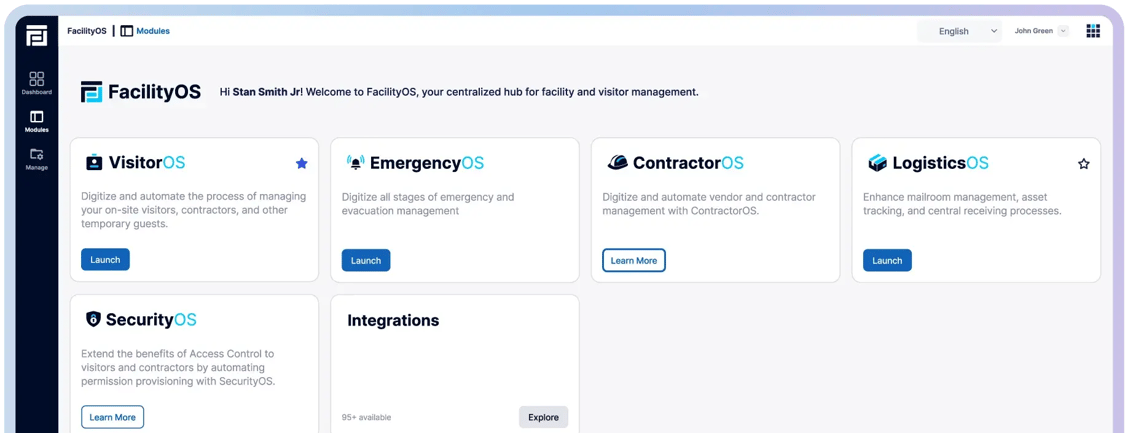
FacilityOS > LogisticsOS > SKU Import Workflow

SKU Import Workflow

Build Your Inventory Catalog in Minutes, Not Weeks

Inventory management starts with accurate SKU data. But manually entering hundreds or thousands of items is slow, inconsistent, and error-prone.

LogisticsOS SKU Import allows you to quickly upload, standardize, and activate your inventory catalog — so your team can start receiving, storing, and issuing materials immediately.
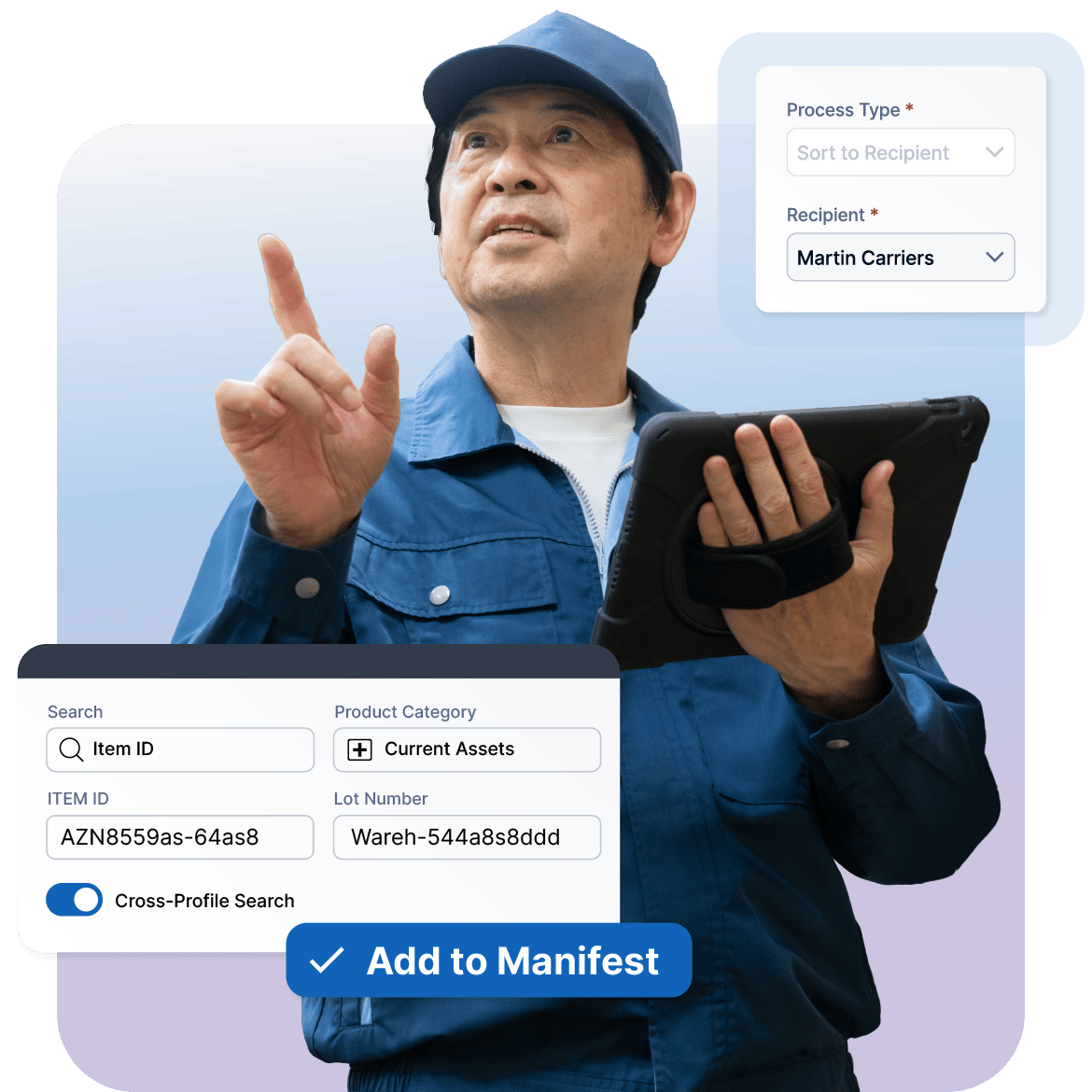

SKU-Import-LogisticsOS

Eliminate Manual SKU Setup

Manually creating inventory SKUs is time-consuming and error-prone, leading to inconsistent data and delayed operations. LogisticsOS SKU Import streamlines catalog creation by allowing bulk uploads from spreadsheets or integrated systems — ensuring clean, standardized inventory data from day one.

Check   How SKU Imports Work

STEP 1: Upload Existing Inventory Data

Import SKUs from spreadsheets or integrate directly with your system of record. Whether performing a one-time migration or recurring sync, the system supports structured data mapping to ensure accuracy.

STEP 2: Configure SKU Metadata

Define key inventory attributes during import, including category, vendor, purchasing unit (e.g., case), issuing unit (e.g., each or ream), reorder thresholds, and internal SKU identifiers. All fields are configurable to match your operational model.

STEP 3: Generate or Validate Barcodes

Use existing SKU numbers or generate new internal barcodes during import. Barcodes can be printed and used immediately for receiving, storage, picking, and audits.


STEP 4: Standardize Inventory Structure

Ensure consistent naming conventions, unit types, and vendor associations across all imported SKUs. This eliminates duplication and supports accurate reporting and replenishment planning.

STEP 5: Activate for Operational Use

Once imported, SKUs are immediately available for receiving, lot creation, FIFO tracking, supply requests, and reporting — enabling full lifecycle inventory control.

Step 1

Centralized Asset Registry

Start with a complete asset inventory.

Import from Excel, ServiceNow, or your system of record — or add assets manually with configurable metadata fields.  Capture details such as Asset tag / unique ID, Serial number, manufacturer, model, and more.  Assets can be tagged using existing barcodes — or generated and printed directly from the system

checkmark-icon-line

Step 2

Real-Time Audit & Verification

Conduct physical audits using web or mobile devices by scanning asset tags on site and update location instantly. Record condition changes (functional, damaged, cracked, etc.) and capture photos during inspection.  Every scan updates the asset’s chain of custody — creating a defensible audit trail.

checkmark-icon-line

Step 3

Complete Chain of Custody

Track every movement from storage to service to retirement.  Assets can be checked out to individuals, signed to departments or locations and moved between facilities.  Each event is timestamped and recorded, creating a full lifecycle history.

checkmark-icon-line

Step 4

Structured End-of-Life Tracking

When assets reach end of life, auditing doesn’t stop.  Document how assets are handled and whether they were recycled, donated, sold, or disposed.  This structured surplus reporting supports finance, compliance, and forecasting requirements.

checkmark-icon-line

Step 5

Capital & Compliance Visibility

Flag high-expenditure assets and monitor lifecycle data.  Track CapEx assets separately and monitor maintenance due dates or identify assets approaching retirement . You always have a clean audit trail ready for review.

checkmark-icon-line

Designed for Complex Inventory Environments

SKU Import supports:

  • Healthcare supply catalogs
  • Manufacturing parts lists
  • Corporate office inventory
  • Warehouse consumables
  • Multi-location storage facilities

Whether managing hundreds or thousands of SKUs, bulk import accelerates deployment and ensures clean data from day one.

SKU-ComplexInventory

Reporting & Control

With structured SKU data in place, you gain:

  • Accurate stock level tracking
  • Reorder threshold visibility
  • Vendor-based reporting
  • Consumption analysis
  • Location-level inventory views
  • Exportable and API-ready data

Clean catalog data enables clean operational reporting.

Sku-Reporting&Control
LogisticsOS-Assets+EOL

Why LogisticsOS for SKU Import?

  • Bulk spreadsheet import (Excel/CSV)
  • API integration with systems of record
  • Configurable metadata mapping
  • Purchase and issue unit flexibility
  • Reorder threshold setup
  • Internal barcode generation
  • Immediate operational readiness

You don’t just upload SKUs.
You launch a structured inventory system.

FacilityOS logo
Facility, Asset & Visitor Management Modular Platform
VisitorOS
Keep track of on‑site visitors & contractors.
ContractorOS
Centralize & automate contractor compliance processes.
EmergencyOS
Digitize all stages of emergency & evacuation management.
LogisticsOS
Track packages across the entire chain of custody.
SecurityOS
Extend the benefits of access control to contractors.
 
 
FOS-Card-View-Half-moduleview