

An AI-powered facility management platform built for organizations that operate beyond a traditional office — where safety, security, compliance, and efficiency are mission-critical. Trusted by 7,000+ facilities in 70+ countries.

A visitor management add-on within the Verkada hardware security ecosystem, primarily suited to organizations already invested in Verkada cameras and access control.
FacilityOS vs Verkada Guest
Feedback below from 3rd party research published by G2 and Info-Tech
8
/month
FacilityOS
 8
/month
8
/month
Verkada
At a Glance
Best Fit For
Grows from managing simple sites to complex, regulated, and multi-site facilities requiring flexible, compliant, and secure workflows
Organizations already running Verkada cameras and access hardware looking to add visitor sign-in
Deployment Style
Turnkey — MDM-enrolled, pre-configured kiosks (iPad, stand, printer, badges) with lifetime warranty, shipped and supported
Software add-on within Verkada's hardware ecosystem; hardware is your responsibility
Configurability
Highly configurable — from a simple lobby to multi-site industrial and regulated environments
Designed for standard commercial and office visitor flows; less depth for complex site requirements
Platform scope
Visitor, Contractor, Logistics, Emergency, and Access Control — one integrated platform
Visitor management as part of a broader physical security hardware suite
Emergency Management
Full EmergencyOS module: digital roll calls, two-way comms, building sweeps, automated drill reporting
No dedicated emergency or evacuation management capability
Contractor Compliance
End-to-end contractor verification, document tracking, safety training, and compliance workflows
Not available within Verkada Guest
Implementation & Partnership
Setup
Ease of Setup
92%
87%
Likelihood to Recommend
How likely is it that you would recommend the product to a friend or colleague?
94%
85%
Product Direction
Is it Heading in the Right Direction?
97%
83%
Meets Requirements
Does the product meet your requirements
93%
89%
Support
Quality of Support
95%
88%
Administration
Ease of Administration
94%
89%
Product Capabilities
Analytics
88%
88%
Dashboard
92%
88%
Hardware
91%
85%
Integration
85%
85%
Notifications
92%
91%
Visitor Check-In
95%
92%
Visitor Logs
92%
91%
A Complete Facility
Management Solution 1 of 4
Management Solution 1 of 4
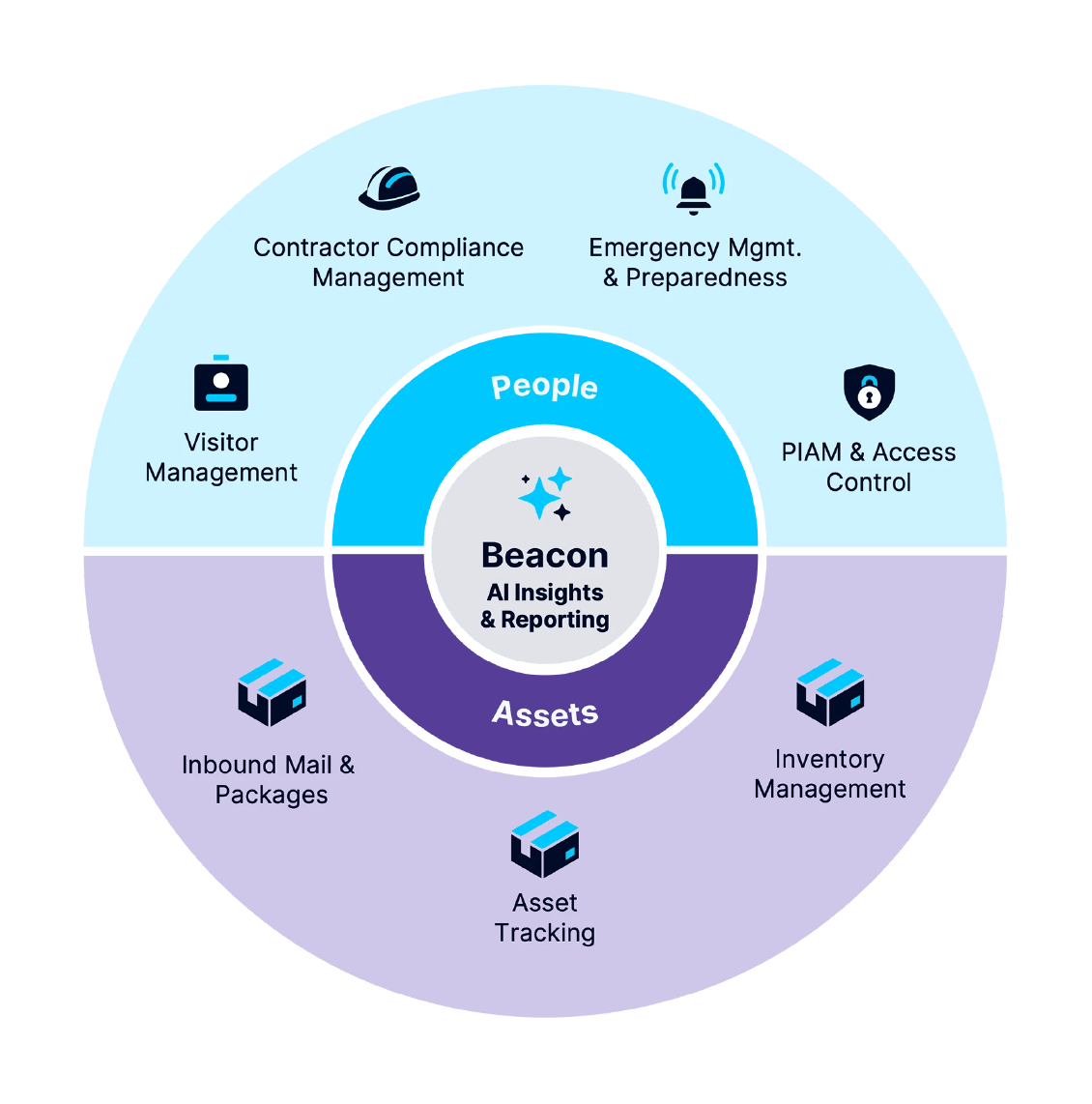
A Complete Facility Management Platform
Where Verkada Guest stops at signing visitors in, FacilityOS continues across contractor compliance, logistics, emergency management, and physical access control — all within one platform. No vendor-switching, no data migration, no gaps between systems.
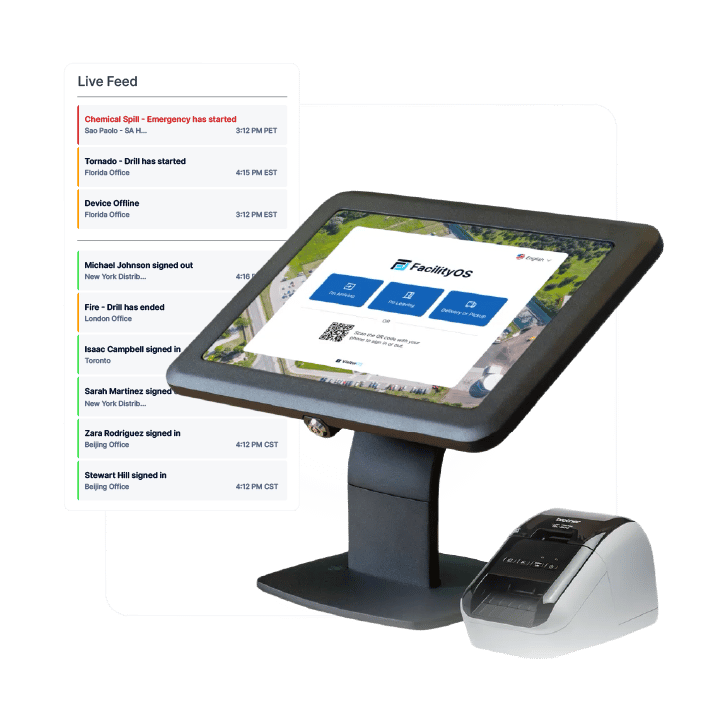
Turnkey Hardware — Managed for You
Verkada Guest is software that piggybacks on hardware you already own. FacilityOS ships fully pre-configured, MDM-enrolled kiosks — iPad, stand, printer, and badges — with a lifetime warranty. Your team doesn't source, configure, or maintain anything.
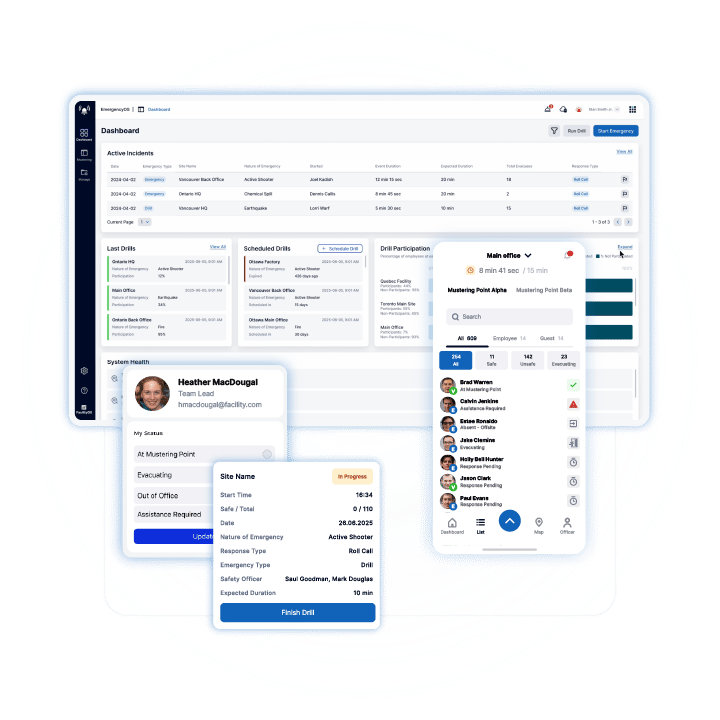
Integrated Evacuation & Emergency Management
Verkada's platform has no dedicated emergency response capability. FacilityOS includes EmergencyOS: digital roll calls, two-way communication, building sweeps, and automated drill reporting — directly connected to your live visitor and contractor data. When an incident happens, you know exactly who is on-site and how to account for them.
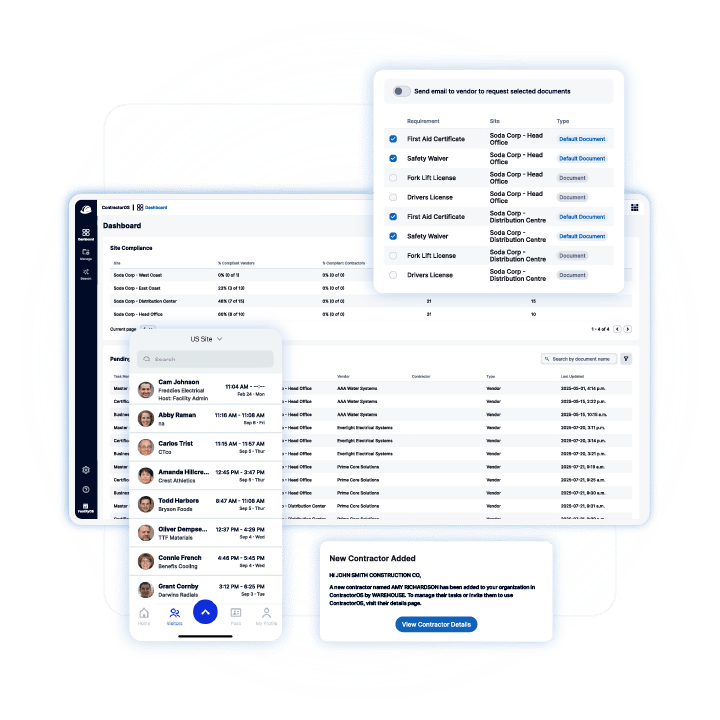

Built for Regulated & Industrial Environments
Verkada Guest is designed for standard commercial lobbies. FacilityOS is purpose-built for manufacturing plants, pharmaceutical sites, warehouses, and regulated facilities — with contractor verification, safety training workflows, PPE tracking, and built-in support for ITAR, ISO, FDA, and GMP compliance frameworks.
Fast Time to Value
FacilityOS customers go live in an average of one month, with a turnkey deployment model that removes hardware sourcing and configuration from your team's plate.
.png?width=130&height=151&name=users-love-us%20(1).png)
A Complete Solution
Our Visitor Management solution ships with everything you need — hardware, software, and preconfigured licenses — and has the features to grow with you as your operational requirements expand.

Strong ROI
FacilityOS customers reach payback in an average of 10 months. For organizations not already locked into the Verkada ecosystem, that value is delivered without the overhead of a full hardware security infrastructure investment.
Integrated Safety Management
Visitor workflows connect directly into emergency readiness, so your teams always know who is on site and can account for them when it matters most.

A Platform Customers Want to Keep
With 262 G2 reviews versus Verkada Guest's 12, FacilityOS has a dramatically larger and more established customer base — and those customers are vocal about where it's headed. FacilityOS scores 98% on product direction versus 78% for Verkada Guest, a 20-point gap that reflects something real: customers believe FacilityOS is investing in the right things. Verkada Guest, as a hardware add-on rather than a dedicated facility platform, simply isn't evolving at the same pace.

Better Support When It Matters
FacilityOS scores 95% for quality of support versus 90% for Verkada Guest. For operational teams running manufacturing floors, warehouses, or regulated sites, support isn't an afterthought — it's what determines whether a platform actually gets used. A 5-point gap across 179 responses reflects a consistent pattern: FacilityOS customers find help when they need it.

Stronger Hardware and Check-In Execution.
Visitor management is only as reliable as the hardware delivering it. FacilityOS scores 91% on hardware and 95% on visitor check-in versus 85% and 91% for Verkada Guest — despite Verkada being primarily a hardware company. FacilityOS's turnkey model, which ships pre-configured, MDM-enrolled kiosks with a lifetime warranty, produces better outcomes than requiring customers to source and manage their own devices.

Verkada Guest Has Ease of Use on Its Side — Here's What That Means
Verkada Guest scores 96% on ease of use versus 94% for FacilityOS. That's a real data point and worth acknowledging. Simpler tools are often easier to use because they do less. Verkada Guest is optimized for a straightforward sign-in flow in a commercial lobby. FacilityOS is built for environments where contractors need to be verified, emergencies need to be managed, and compliance needs to be documented. If ease of use for a narrow use case is your primary requirement, Verkada Guest delivers it. If your facility demands more, that simplicity becomes a ceiling.